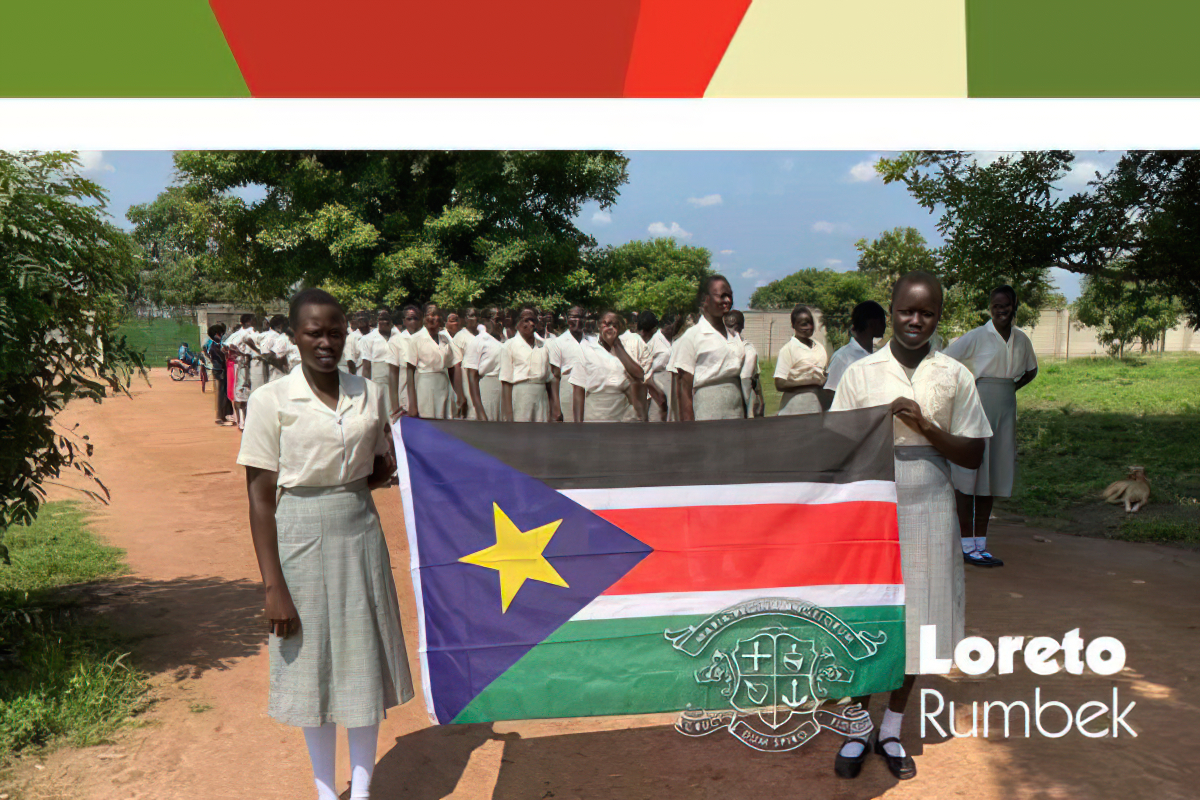
Harvest, Celebrations, and Higher Ed Mark New School Year

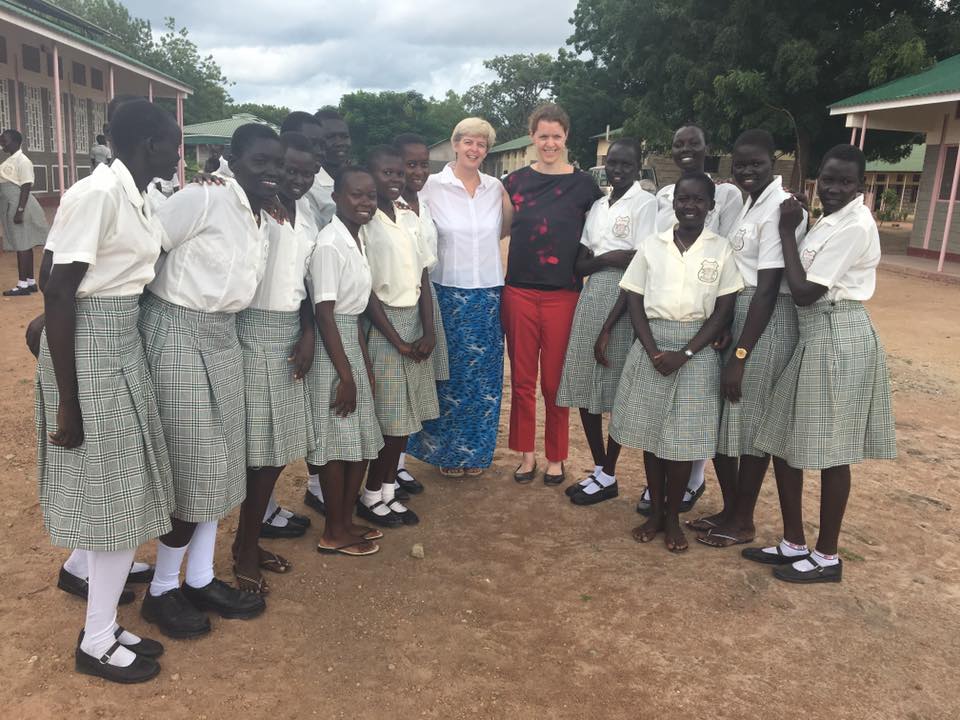
Sister Orla, Principal of Loreto Rumbek Schools, sends greetings and updates from her area as the new school year begins. Loreto Rumbek Schools is a combined campus of primary and secondary schools, which contains other facilities such as a health clinic, dormitories for secondary level girls, and agricultural projects. Sudan Relief Fund and our donors are instrumental in supporting these activities. 

Strong Enrollment

Primary school is in session once again, and Sister Orla was encouraged by how many parents came to enroll their children – a welcome sign of progress in a country with traditionally the lowest rate of school attendance in the world.

Tenth Anniversary

The schools recently celebrated the 10th anniversary of their nation’s independence. While challenges in the country remain, the school is grateful for all that’s been achieved and for continuing to move forward. Students celebrated the day with a focus on finding ways to advocate for a more peaceful nation, and exploring ideas to create change even in smaller ways within their campus.

Higher Education for Women

The school gave a special send off to five graduate interns who have served in the administration the past two years. Three young women are headed to Kenya to continue their education, and two will attend nursing school in a neighboring state. All five girls expressed their deepest gratitude to the donors of Loreto Rumbek Schools, without whose support they would not have the rare opportunity they are embarking upon. Often young women here who gain the chance to achieve higher education return to their communities to share and give back.
Harvesting Together

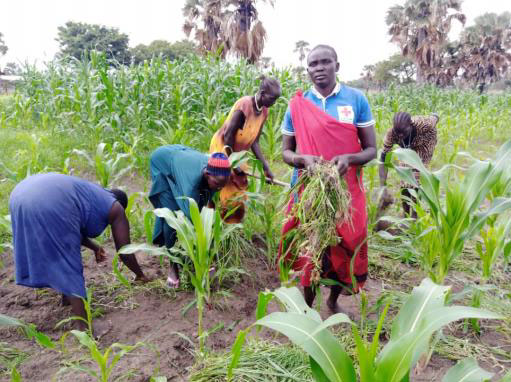
It is harvest time in the area, and students who chose not to go home during the holiday could stay and earn money by assisting with the harvest. Each year they work in teams to uproot, dry, shell, and roast ground nuts which are used throughout the school year in the kitchen. Coming from various backgrounds and regions of the country, students exchange techniques and share their different harvesting methods with each other.

Malaria Spikes

The rains are returning to the region, which invariably bring increased mosquito populations. Over 300 students tested positive for malaria in one week so far, which equates to one in every four students. Thanks to the ongoing support you provide, Sudan Relief Fund is able to offer medicines and additional measures to keep children safe. 

Student Returns to Give Back

Alumna Elizabeth Nyanakak was welcomed back to the Loreto Rumbek schools, only this time she arrives as a licensed midwife. Having just completed her studies at the Catholic Health Training Institute (CHTI) in Wau, Elizabeth has returned to serve on campus. The clinic here not only treats the needs of students and staff, but has been instrumental in serving the public, as one of the only healthcare facilities in the region to remain open during COVID. Elizabeth is an uplifting example of giving back to the institution that enabled her to gain a higher education, and using it to help others.

Teachers on Wheels

With over 1200 primary students across morning and afternoon sessions, it’s imperative that teachers can commute to class. Many teachers live a great distance from the campus and spend significant time walking each way daily. Recently the administration was able to purchase several bicycles to speed up the process. The bikes were well received and accepted with enthusiasm by school teachers.

Thank you for partnering with us to support all the many activities of Loreto Rumbek schools. You are giving the vital gift of lifting up children here through educational opportunity.
Making Childbirth Safer

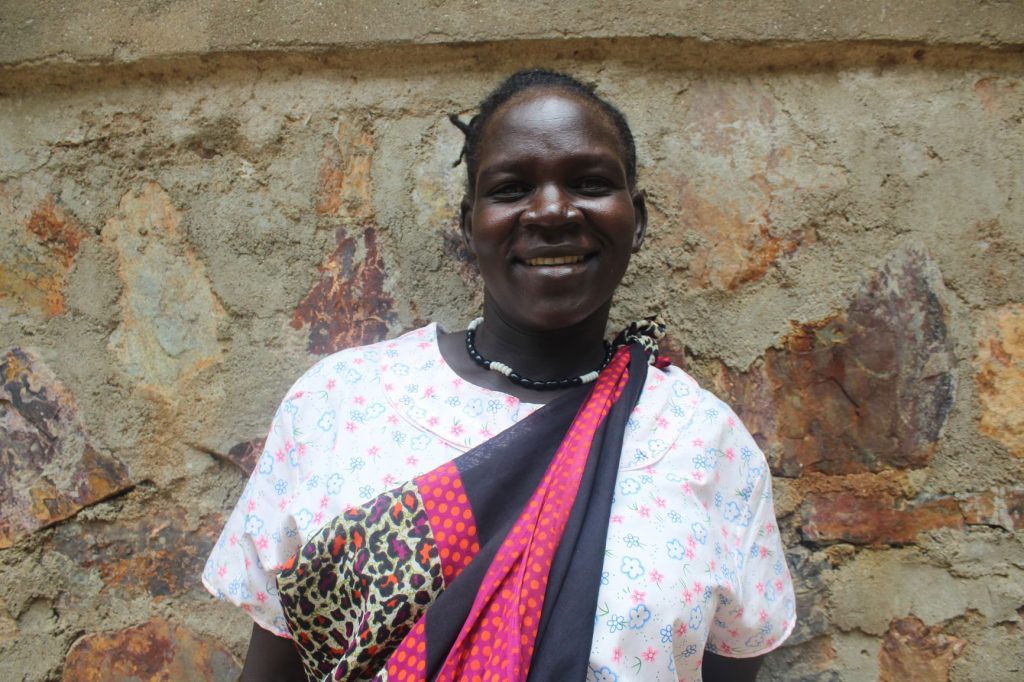
Nimad’s path to motherhood has been a difficult one, marred with more heartache and loss than any mother should endure. Sadly this is not uncommon for women in South Sudan, where the record of maternal and infant mortality ranks the worst in the entire world. But facilities like Mother of Mercy Hospital in Gidel are making meaningful progress to change that outcome for women and children.

Nimad’s case fell tragically into those statistics. She is 34 and married to a farmer. Over the years Nimad has given birth to many children, only one of which – her first one – survived. 

She recounts how her pregnancies always seemed to be fine and progressed without incident. Then suddenly she would lose the babies just before, during, or shortly after delivery. It’s difficult to imagine the heartache of a mother going through that experience time and again.

But this time would be different. Nimad had the opportunity to be seen at Mother of Mercy Hospital, where due to her history, it was strongly recommended she undergo a caesarean section birth for both the safety of Nimad and her unborn child.

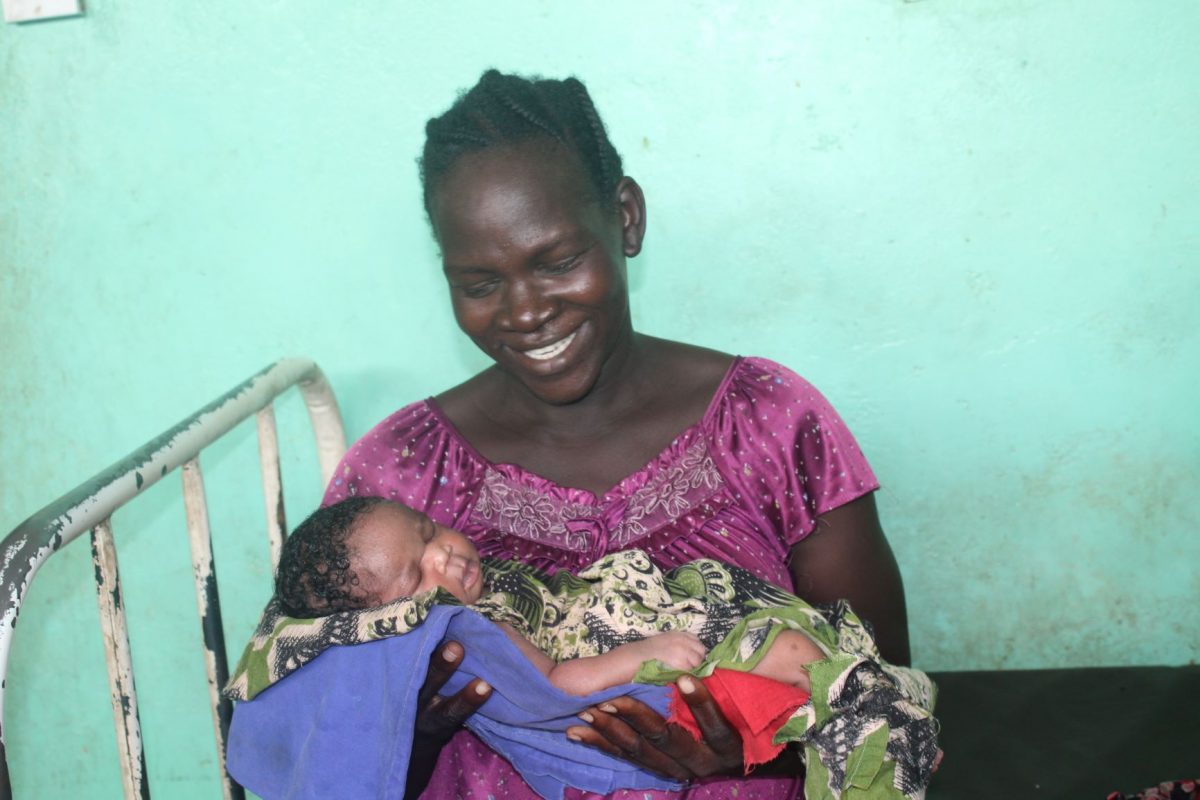
Nimad underwent the c-section surgery successfully. This time the occasion was marked with joy, as she happily delivered her child well and healthy. Nimad was more than delighted to hold her new baby girl in her arms, whom she named Vivian.

“I am so grateful to God for giving me this gift,” said Nimad, when asked how she felt after the successful arrival of her baby girl, “and to Dr. Tom and his team for the surgery which saved my daughter’s life. And to the donors who supply these services and medicines. May the good Lord bless you so much.”

Would you like to pray for us?

Lifting Up South Sudan is a group of people helping transform lives in South Sudan through the power of prayer. You’ll receive a new prayer request weekly by email. You’ll be part of a vital team praying to bring light and hope to this despondent part of the world. To learn more or sign up for emails, go here.

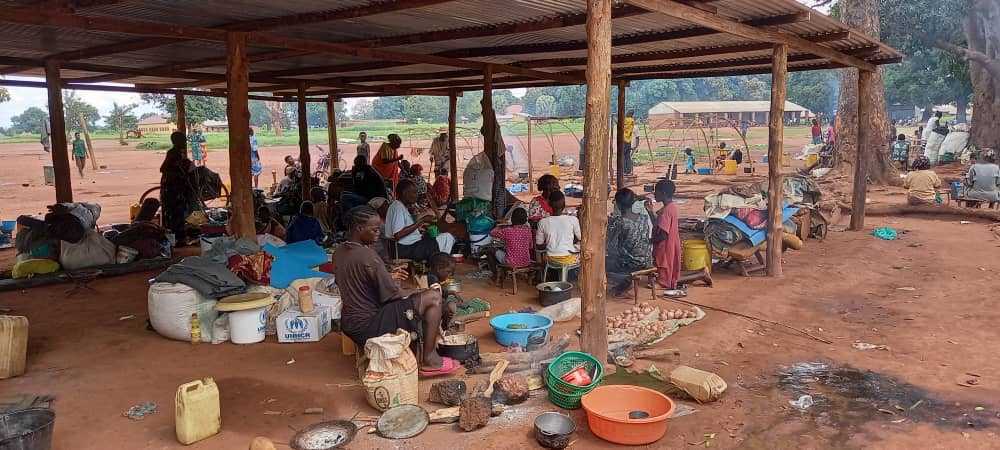
Early Rains Cause Widespread Flooding; Hundreds of Thousands Displaced as Farms and Livestock Destroyed

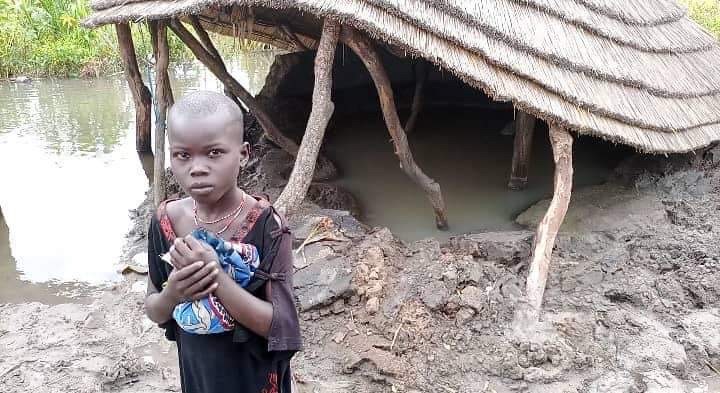
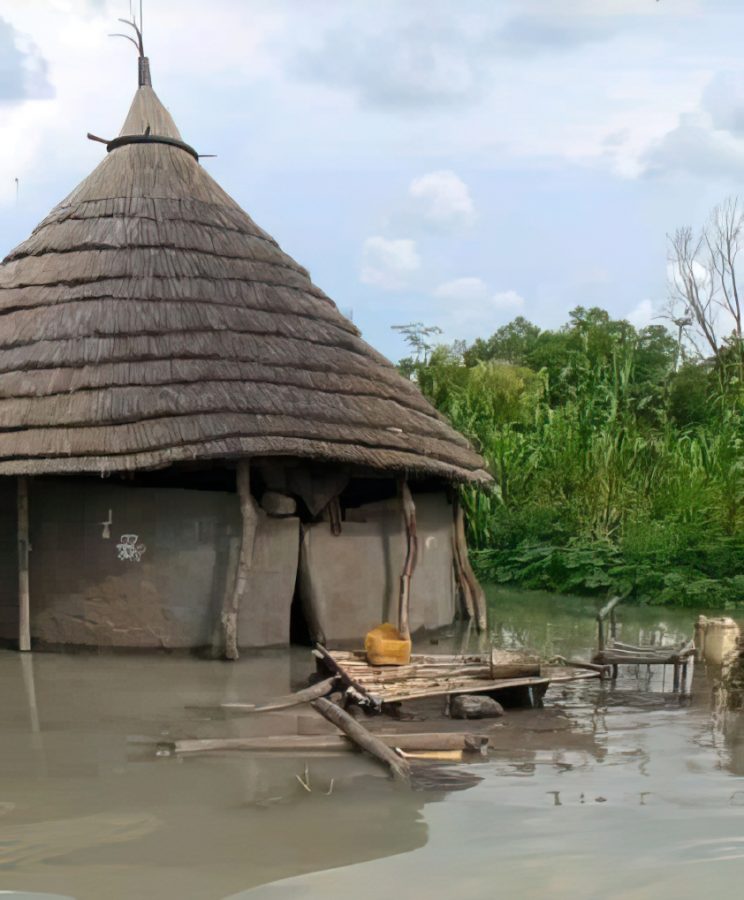
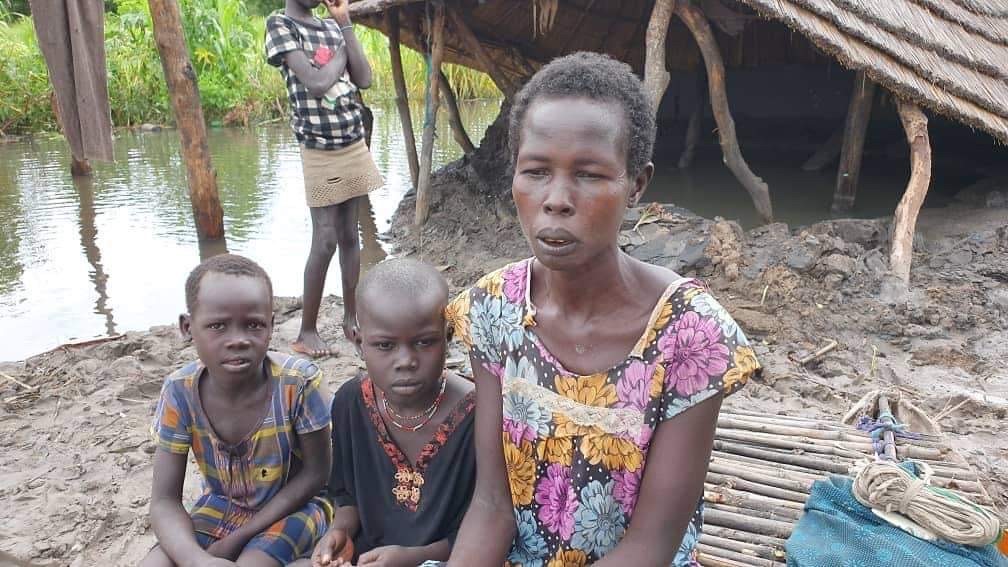
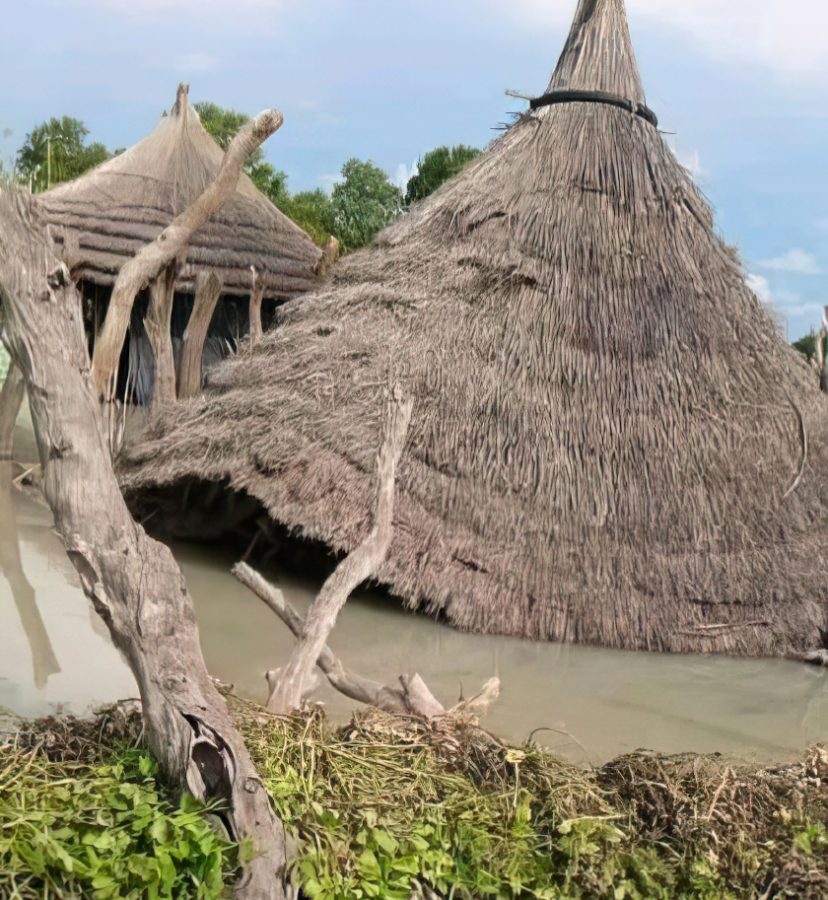
Nearly 400,000 people in South Sudan are stranded or displaced due to widespread flooding that submerged homes, swept away livestock, and destroyed farmlands, according to an announcement by the UN humanitarian agency, OCHA, on Tuesday. Families are left homeless and without livelihoods, as vulnerable populations like the elderly or infirmed remain behind without the means to get out.

Sudan Relief Fund partners on the ground have confirmed the news, stating, “Floods have displaced thousands and crops are washed away. I pity the children, who as of now have gone almost a week with no proper nutrition for survival. We don’t know what will happen next.” The photos in this story are real images of the disaster taken by our partners.

The extent of flooding has made it a challenge to bring aid to affected communities or rescue stranded victims, since flooded roads have rendered transportation routes impassable. The country does not have the means to airlift people out of danger zones or drop relief supplies by air.

The majority of flooding is concentrated in the areas of Unity and Jonglei states, according to the UN agency. Seasonal rains came early to the country this year, and soon the nation will be entering their typical rainy season, spurring the OCHA to warn of “more heavy rains and flooding expected in the coming months.”

Many residents of Jonglei fled to the state’s capital city of Bor, but local resident Michael Gai, who sought refuge there himself, reported many were unable to move to higher ground because the flooding is “coming from all different directions – east, south, north and west.”

This natural disaster is the latest flood following a similar deluge that happened a year ago, from which 100,000 of the displaced still have not returned to their farmland – much of which never fully receded and remains under water until now.

The already impoverished nation of South Sudan is facing greater food shortages and even higher prices on essential commodities. With flooded crops destroyed and transportation of food and resources hindered by non-passable roads, locals are seeing prices skyrocketing. Even areas unaffected by the floods are feeling the effects of rising prices, since vendors can’t get their products to markets.

The crisis is exacerbated by nonexistent social programs in the nation, where there is no insurance to compensate for losses of property or livelihoods, and no welfare provisions for those who have nothing left.

According to a 2018 report by the World Bank, four out of five people in South Sudan already live in “extreme poverty.” The OCHA said more assistance is needed to scale up the response in order for humanitarian agencies to reach afflicted communities.

Breaking News – St. Bakhita’s Orphanage

Recently we wrote about the tribal conflict that swept unexpectedly through parts of the Tombura-Yambio region of South Sudan, forcing families to flee their homes as shooting and fires erupted throughout communities.

Fearing for their lives, the volunteers at St. Bakhita’s orphanage left, leaving Sister Bianca Bii and all the children residing at St. Bakhita’s Orphanage alone. Our partner Bishop Kussala, having heard of this situation, quickly put together a convoy to evacuate them all temporarily to a safe location. 

This is a breaking news scenario and we will continue to share updates with you as we receive more information. In the meantime, we are grateful Sister Bianca and the children have all been safely relocated. We ask for your ongoing prayers over their situation, especially because their new temporary location still has difficult living conditions, and the evacuation has been very stressful and frightening for the children.

For years, Sister Bianca’s work in rescuing orphaned children and giving them a transformative life at St. Bakhita’s has been supported by the Sudan Relief Fund and our donors. To read more, go here.

Hope for Moses

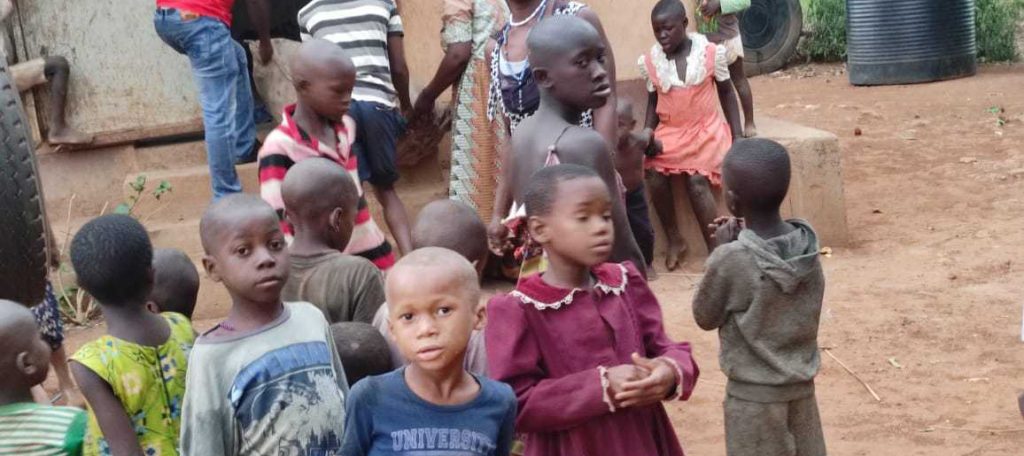
We are so grateful to you for partnering with us to bring help and hope to children at St. Bakhita’s Orphanage. Your response to our appeal from Sister Bianca Bii recently provided crucial resources to meet an urgent need.

Thanks to you, children were able to receive essential food staples, soap, garden supplies, clothing, and medicines for ongoing needs like malaria prevention. Thank you for your generosity. You should know that your sponsorship is changing lives for children who have nowhere else to go.

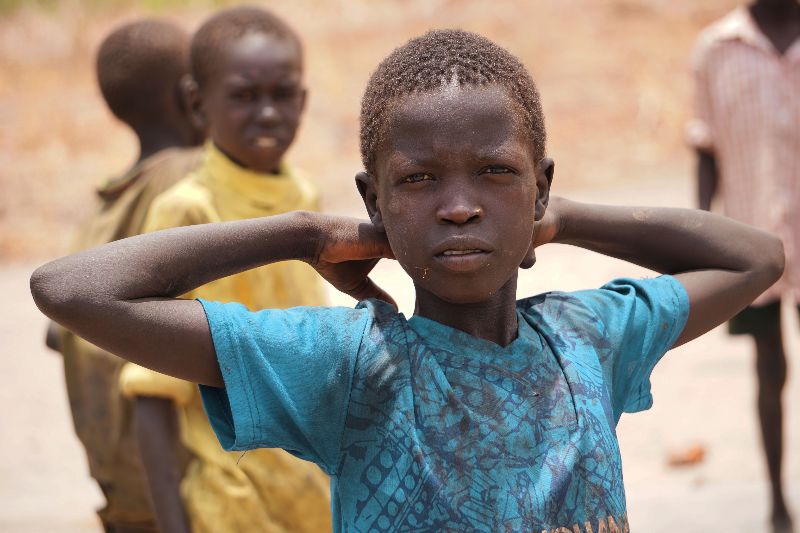
Let me introduce you to one such young life you are rescuing. Meet 8 year-old Moses. His life was turned upside down one heartbreaking day when tragically both of his parents were shot by militia. In that moment everything changed. Suddenly Moses faced life as an orphan. Can you imagine surviving as an eight year-old all on your own in the perils of South Sudan?

Thankfully, Moses and his brothers escaped with their lives. But his brothers were too young to be able to take care of him. Fortunately, instead of facing abandonment as many children do, he was brought to St. Bakhita’s Orphanage, where Sister Bianca Bii took him in. At St. Bakhita’s he has shelter, a bed to sleep in, clean water to drink, food, clothing, and even basic healthcare. Life has not been easy for Moses. But at least now he will have a chance for a successful future.

Moses is now attending St. Mary’s Primary School, a facility also supported by Sudan Relief Fund. With the help of our donors, we have financed ongoing improvements at the school since 2014. When the roof was damaged in 2020, we were able to supply a new roof. And thanks to our supporters, we funded the construction of an entire new school building in 2019 to keep up with the need.

Lack of schooling is one of the many challenges here, a nation with one of the lowest rates in the world for children in regular school attendance. Being equipped with an education is a tremendous opportunity for Moses to help him achieve a hopeful and sustainable future. Your gifts also fund scholarships to help other orphans living at St. Bakhita’s pay for fees and uniforms so they, too, can have the chance to go to school. Not only does the gift of education prepare these youth to take care of themselves, the educated are often able to raise others up out of poverty and stop cycles of violence.

These are some of the things you are making happen as sponsors of St. Bakhita’s Orphanage. None of this work would be achieved without our team of sponsors and donors who support our work. You are an integral part of everything that is being done here.

On behalf of Moses and other orphaned children like him – children dealing with hardships and tragedies they did nothing to deserve – thank you for your compassion. We hope you are encouraged by seeing the lifechanging results you are bringing into their hearts and lives.

Sincerely,

Neil A. Corkery, President


Healthcare, Education, Water and Food Initiatives Mark Progress Made in Past Year with Support

The past twelve months at the Loreto-Rumbek campus have seen unprecedented challenges with COVID-19 affecting the complex and inter-related way the world operates. Yet Sister Orla Treacy, Irish missionary and Principal of the Loreto-Rumbek schools, gratefully recapped many steps forward that were achieved in spite of the uncharted circumstances.
 

Healthcare

Earlier this year the government asked the healthcare clinic which operates onsite at the Loreto-Rumbek campus to remain open during COVID, to help serve the swelling needs of the surrounding community. Shutdowns had affected nearly all other healthcare services in the area, and the clinic on the school compound became the sole source of help for thousands of people.

Sister Orla recounted how the clinic typically addressed 1,500 new COVID cases a month at the outset of the pandemic. Now that figure has more than tripled, as they have expanded capabilities to treat 5,000 cases every month from patients coming to their facility for help. “We have been able to expand our healthcare and a greater number of people are able to receive needed medicines because of your support,” she reported.


Clean Water

With help from donors, three different clean water access points were provided to the local communities. Sister Orla noted how women and girls are spending less time and walking shorter distances to obtain clean water, since it is now available in or near their villages. She added that hygiene conditions are also greatly improving as people in the communities have access to clean water.


Education

Sister Orla shared how the campus was able to provide shelter and education for 300 girls this year from all over the country. She said the girls feel secure and happy living here and thrive in their environment at the secondary school. The school continues to make great strides in providing education to girls in a nation where secondary school is not traditionally viewed as necessary for young women, as well as to protect them from the perils of early marriage. The school also sustained a live-in population of students and staff during the pandemic lockdowns.


Food Security

Because of ongoing support, food assistance was provided to many vulnerable families in the community. “A lot of them can’t come in to the compound to receive food help (because of COVID restrictions), but many of our graduates were able to reach out and deliver food to help the families in need,” explained Sister Orla, demonstrating a rewarding example of young adults giving back to the community.

“None of this would have been possible without the ongoing support we receive from the Sudan Relief Fund,” Sister Orla stressed. She urged supporters to share with others the good news of what’s being done in this corner of South Sudan, with the collective help of individuals who are making a difference from thousands of miles away.

Bishop Kussala Calls for Unity as Remijio Is Appointed New Bishop of Wau

Bishop Eduardo Kussala of the Catholic Diocese of Tombura Yambio, attended the recent ceremony of the newly appointed bishop in Wau, Reverend Matthew Remijio. The celebration took place in the Wau Diocese, which reaches a population of some 3.7 million people, of which 75% are Christian, with 22 parishes and 29 clergy. The arrival of Bishop Remijio brings to an end a ten-year period of the Diocese having no bishop.

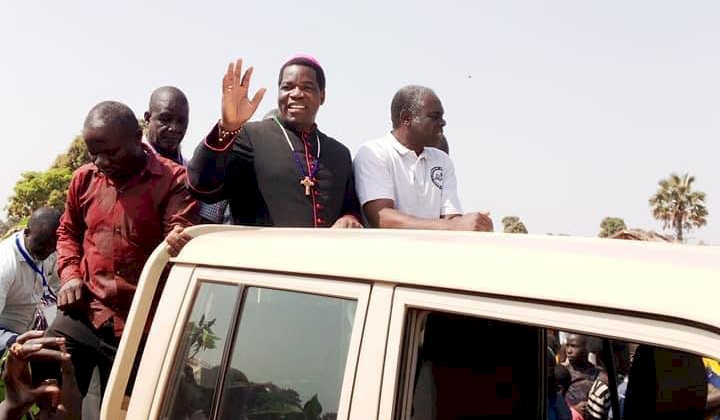
A delegation of church dignitaries, sisters, and hundreds of lay people among others, attended the event. A large caravan carrying many of the local governmental and church dignitaries was flanked by hundreds of people cheering and singing hymns as they followed the procession, despite the dusty conditions and extreme heat.

A native of Wau, the newly appointed Bishop Remijio was originally ordained a Comboni priest in 2004, of the Comboni Missionaries of the Love of Jesus, and served as such until his appointment as bishop.

Bishop Eduardo took the opportunity at the expansive gathering to urge local people to turn from divisions and tribal dissension, and to embrace forgiveness and unity moving forward.

“Forgive the past, open a new page with this new bishop; build new ways in your relationships so that all of you would celebrate the joy that God has brought to you,” he said. Adding, “You have a gift now, make use of it, celebrate it; work together to reclaim the glory of the Catholic Diocese of Wau.”

As part of the rebuilding of the Wau Diocese, renovations have been underway on the church building and surrounding structures that have fallen into disrepair, to improve the offices, the kitchen and dining areas, and the priest’s half-completed residence. Construction is also taking place on a new boarding school in Rimenze. Sudan Relief Fund donated a Land Cruiser vehicle so that the school and Diocese could have a reliable source of transportation to serve the many needs of those in their area.

At the consecration ceremony, Bishop Kussala expressed gratitude for the arrival of the new bishop. He further gave thanks for Pope Francis for “being so keen about the needs of his children” there, and reiterated the Pope’s “desire for a peaceful and prosperous South Sudan.”

To read more, click here: https://rurugene.com/bishop-hiiboro-urges-people-of-wau-to-put-their-differences-aside-and-work-closely-with-their-new-shepherd-bishop-remijio

Mamma

As told by Noeleen Loughran, missionary nurse and partner on the ground in South Sudan.…

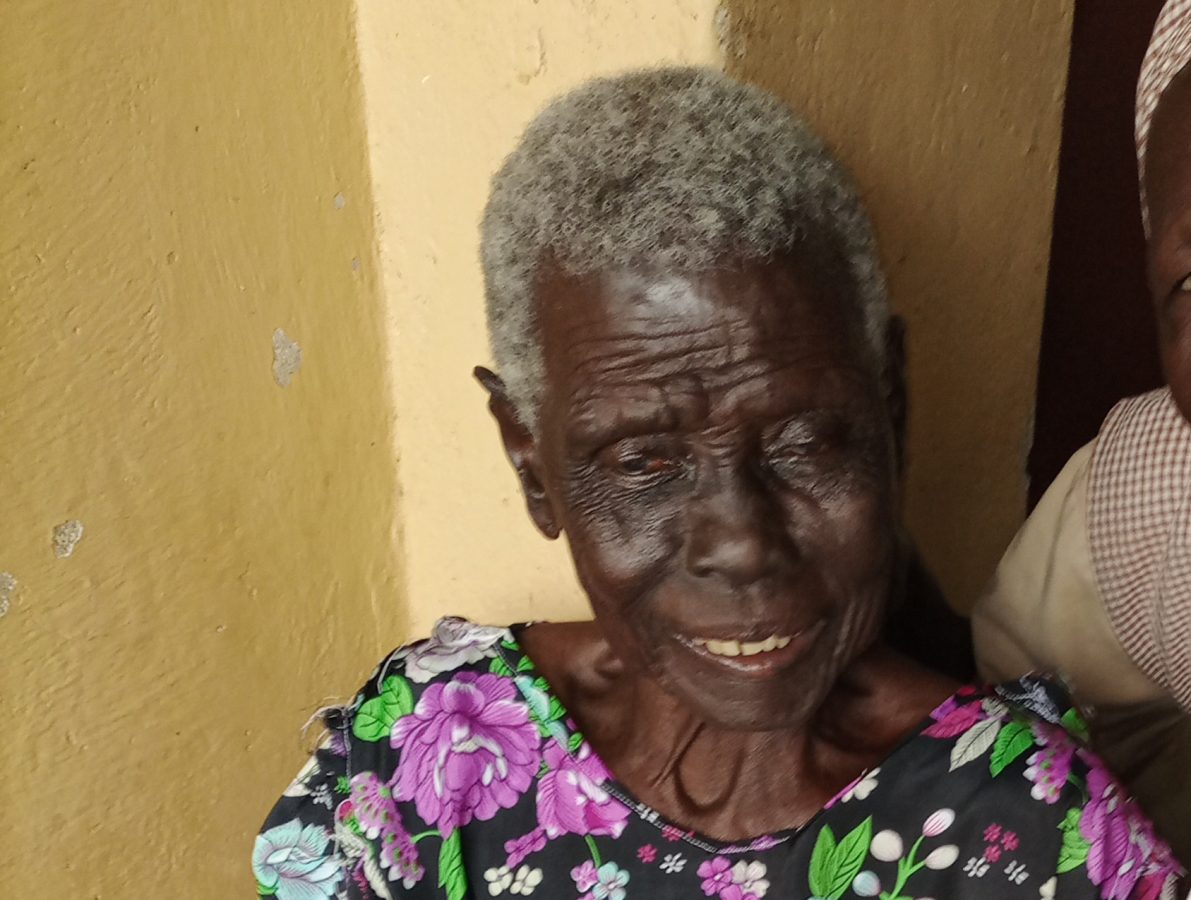
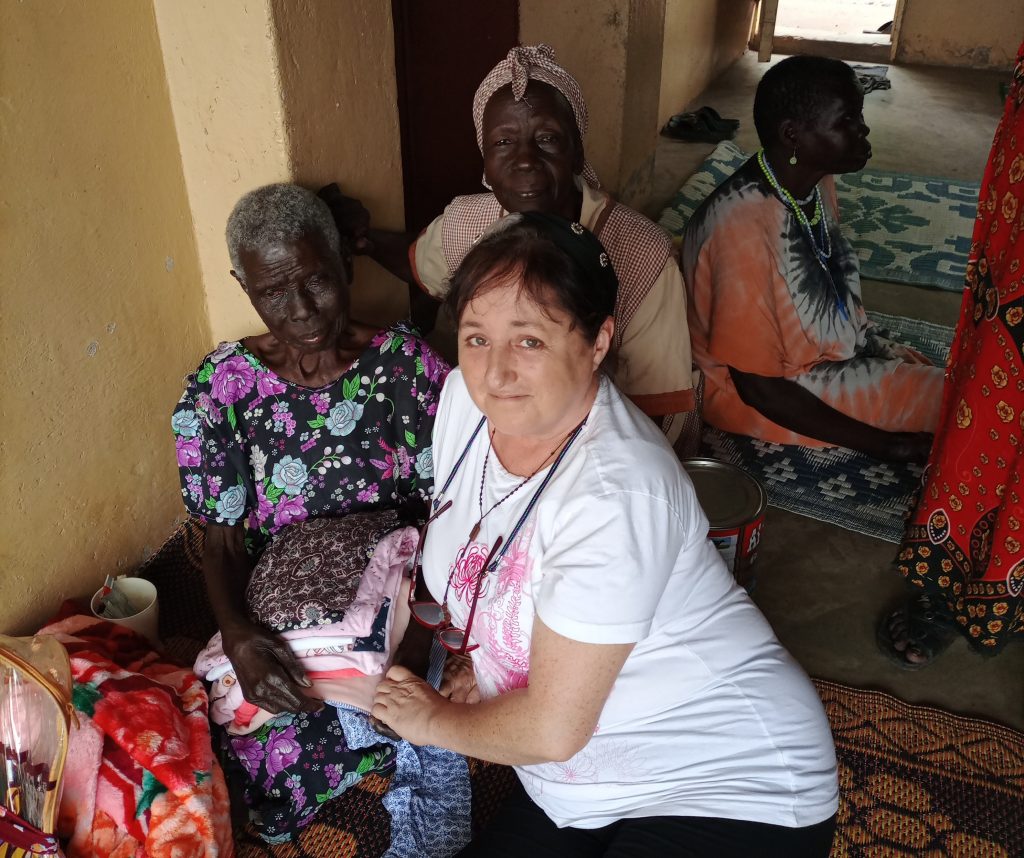
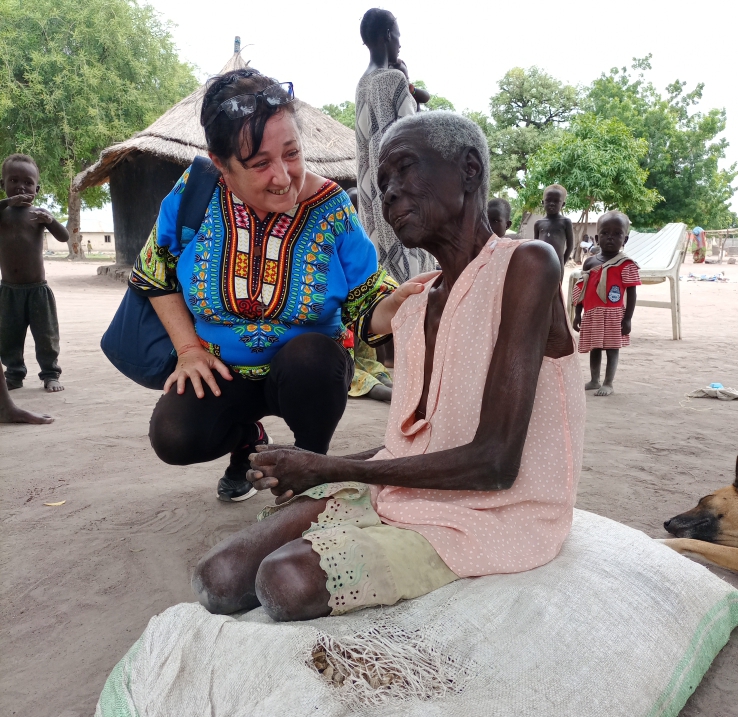
Mary Adout is about 95 years old. She has leprosy, is blind, and cannot walk. When I first met Mary, it was a harrowing sight. It was a wet and rainy day in the leper colony of Malo, South Sudan, and to my horror, I found her crawling in the mud, unable to see where she was going. She was wearing little to no clothes, was covered in mud, and was shivering.

We came to know that Mary has no children and therefore has no one to look after her. I cannot imagine how she had managed until we found her. We took her to the nearby town of Rumbek, as it was obvious she was sick as she was crying and in pain. Unable to hold herself up in the car on the journey, she rested in my arms.

We proceeded to the Health Care Clinic and were told she had typhoid, malaria, brucellosis and stomach ulcers. She would be treated there for 14 days on strong IV medication. We got her some clothes, a blanket, hot food three times a day, and plenty of juice to give her strength. It was apparent after some time by the wonderful smile on her face that she had never received the comforts of good food and a warm bed before. She began to refer to me as her “daughter” and from there our friendship took off and remains to this day.

Mary is a strong Christian and has a very quiet but cheerful personality. Her smile is empowering. After Mary became well again, with great thought, I realized it would never be possible for her to return to the colony with no one to look after her. So with great appreciation for the Missionaries of Charity here in Rumbek, she now lives with them. Many of the workers recognized Mary when she arrived, and she had lots of stories and conversation for them. She seems so happy and content compared to the lady I first met. I am content now, too, knowing she will be cared for and loved in the Sisters’ home and will bring joy to many as she has done to me.

The Missionaries of Charity do wonderful work here to save the lives of the very desperate, weak, and dying. We are very lucky to have them here and commend their Godly love for those in deep need.

Preemie Twins Saved at Birth

The life of a pregnant woman in South Sudan can be challenging. Lack of access to healthcare or even hospitals within many hours’ drive can make any complication turn deadly for both mother and child. An insufficient diet, lack of clean water sources, and strenuous work conditions can exacerbate the problem. But the dedicated staff at Mother of Mercy Hospital – the only referral hospital in the entire Nuba Mountains region of South Sudan, supported by the Sudan Relief Fund – is making tremendous progress to improve these circumstances for women and infants.

One example is the young woman named Nawal who was expecting twins. She was working at home carrying stones for a construction project when she was eight months pregnant. While working, she was suddenly stricken with sharp pains – so severely that she was immediately rushed to the Mother of Mercy Hospital. She discovered she was going into early labor and would deliver imminently.

In less than 12 hours, Nawal’s twin babies arrived prematurely. At a combined weight of only 5 and a half pounds (2.6 and 2.8 pounds each), the twins were in need of lifesaving neonatal care. They were unable to breastfeed, so the nurses instructed Nawal in how to bottle feed the tiny babies.

Under constant supervision at Mother of Mercy Hospital, the twins began to take a turn for the better. After five days, they were strong enough to breastfeed on their own, and six days later they weighed in at 2.8 and 3 pounds respectively, showing encouraging signs of progress.

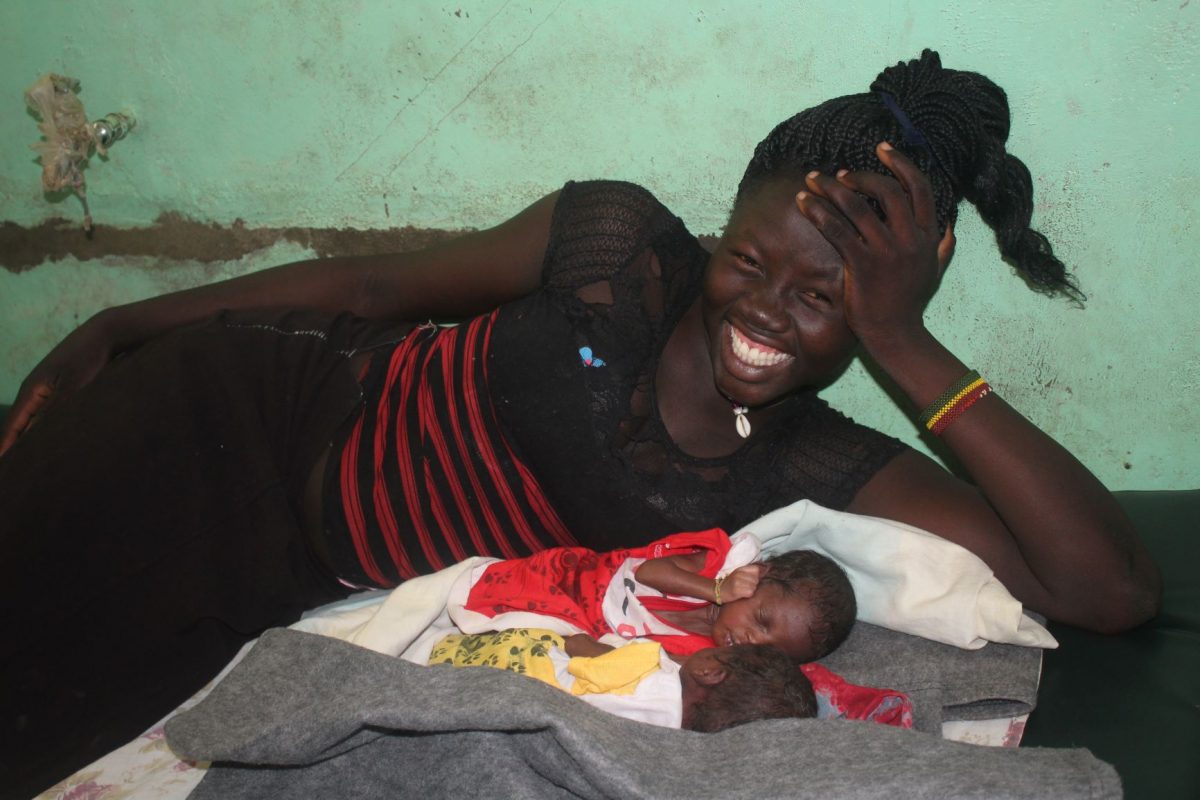
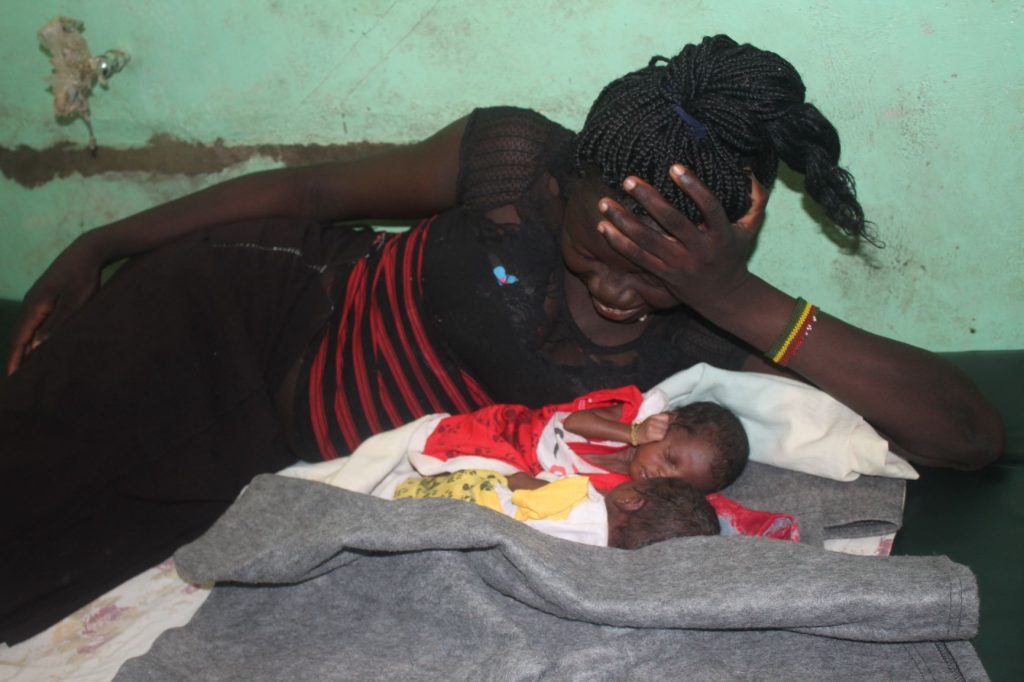
Neonatal care for premature babies is critical. Without immediate hospitalization and medical intervention, most of these tiny babies will not survive. To have this specialized critical care available for neonatal emergencies in such a remote area is an unheard of blessing in South Sudan. Pictured here at eleven days old with a mother full of smiles, both the hospital staff and Nawal are confident the twins are thriving and on course to grow into healthy, normal children.

Nawal is overjoyed, wishing to thank Mother of Mercy Hospital and those who help to keep it running. She knows very well, “Without this hospital and their donors, my twins would have perished at birth.”